State Protocol Activations for Hot and Cold Weather in Connecticut
How does the State of Connecticut protect vulnerable residents during extreme hot and cold weather? Relying on documents from the Governor's Office, this blog seeks to understand.
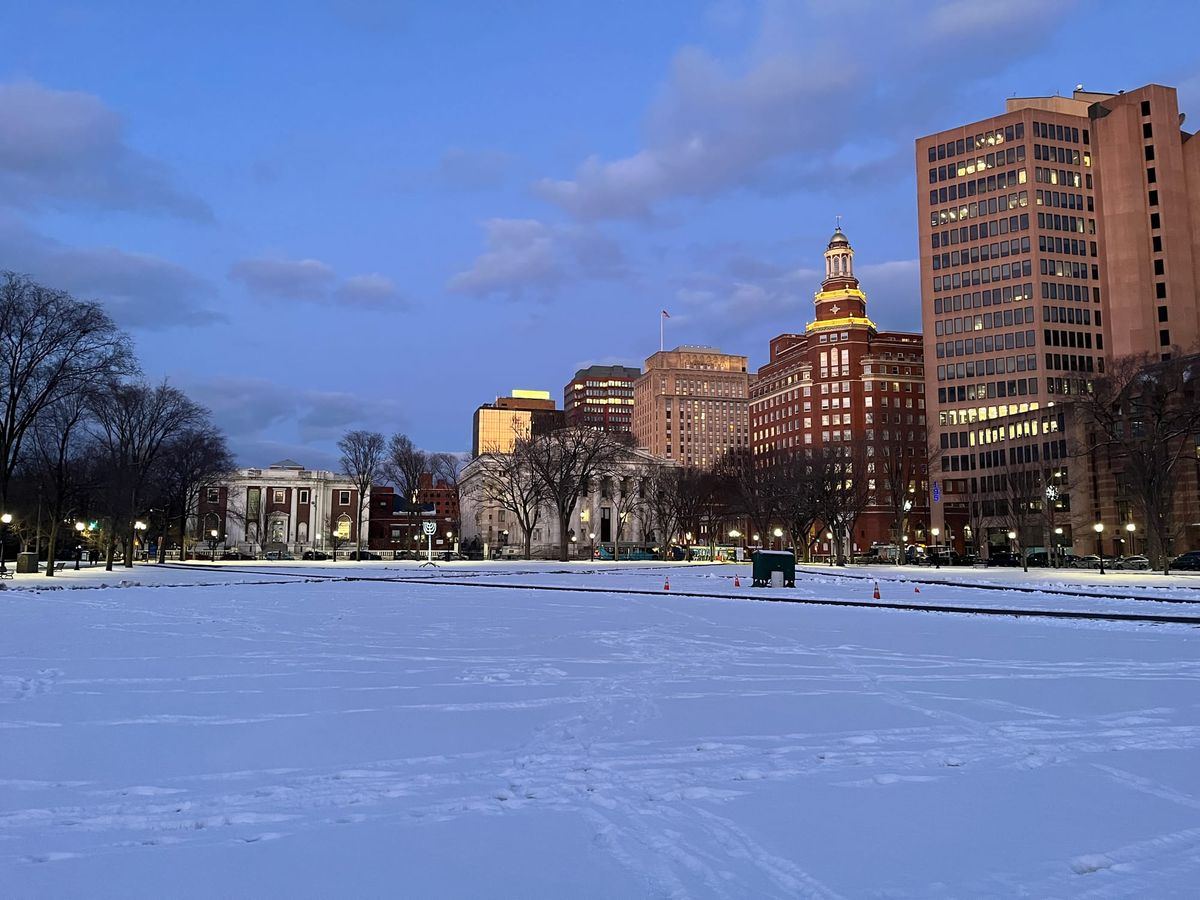
How does the State of Connecticut protect vulnerable residents during extreme hot and cold weather? Relying on documents from the Governor's Office, this blog seeks to understand.
The Protocols
The Extreme Hot Weather Protocol and Severe Cold Weather Protocol are two structures the State of Connecticut has to initiate an emergency response to extreme temperatures. These protocols do not have concrete guidelines for activation, instead being activated in a process relying on dialog between state agencies, municipalities and service providers, rather than specific weather conditions. Along with these activations, cooling and heating centers are opened regionally. Anyone who calls 2-1-1 during a cold weather protocol is supposed to receive a space in a warming center or hotel when warming centers are at capacity. These protocols, while insufficient on their own, are integral to protecting the health of our communities in these situations.
Extreme weather events impact the entire population but those existing at multiple intersections of structural marginalization face more dire conditions. For example, low income families may lack access to air conditioning or the money to reliably run it. Unhoused community members are often forced to be outside in inclement weather, exposing them to injury via heat or cold exposure. As our climate warms, we expect a higher incidence of extreme weather events, further entrenching these inequities through direct harm to community health.
Below I analyze recent activations of the state protocols.
Methodology
I requested "Any press releases or announcements regarding activations of the extreme heat and severe cold weather protocols" between 1/01/2010 and 07/06/2026 through the Connecticut State Office of the Governor's Freedom of Information Portal. It was submitted on 07/06/2026 and documents for the period starting under Governor Ned Lamont (01/2019) were received on 09/28/2026. Further documents are forthcoming.
Relying on the linked documents, I tracked:
- The date and time the press release was sent,
- date and time of the start of the activation period,
- date and time of the end of the activation period,
- type of activation (hot or cold),
- the provided rationale for the activation, and
- the page each activation first appears in the documents.
From this, a number of outcomes were calculated:
- the length of notice provided,
- the length of the activation, and
- the incidence of activations over the time period.
For the purpose of this analysis only those releases that mentioned the protocol activation were tracked. As outlined in other coverage, the morbidity and mortality associated with extreme weather exposure is not only limited to the periods of protocol activation.
Further analysis may cross reference this data with weather conditions to understand the consistency that the protocols are activated with. Another direction of analysis would be to compare the activations and weather events overall with emergency department visits related to hot and cold weather. Further research using the provided dataset could look at reasoning given for activation.
Takeaways
There were 44 activations of the protocol since January 2019. Cold weather accounted for 30 activations while hot weather accounted for the remaining 14**. Notice given to the public ranged from less than 24 hours to 4 days for initial activations. The longest activation was 23 days, running from 1/23/2026 to 2/15/2026. The mean activation was just over 4 days. Cold weather protocols were activated in December through March. Hot weather protocols were activated in June through September.
** there were two additional press releases urging residents to take precautions ahead of extreme hot weather but they did not initiate a specific protocol.